Designing the Future of Creative Production to Tell Stories at Scale

Designing the Future of Creative Production to Tell Stories at Scale

ROLE

Product Designer

Product Designer

ROLE

Product Designer

SKILL

UX Design, Visual Design, Interaction Design, Product Strategy, Research

UX Design, Visual Design, Interaction Design, Product Strategy, Research

TIME

Dec 23 - April 26

Dec 23 - April 26

NIKE

NIKE

NDA

TEAM

Sr. Designers, Design Directors

Engineering (all levels)
Product Managers

Global Brand Imaging (ICON)

Brand Marketing
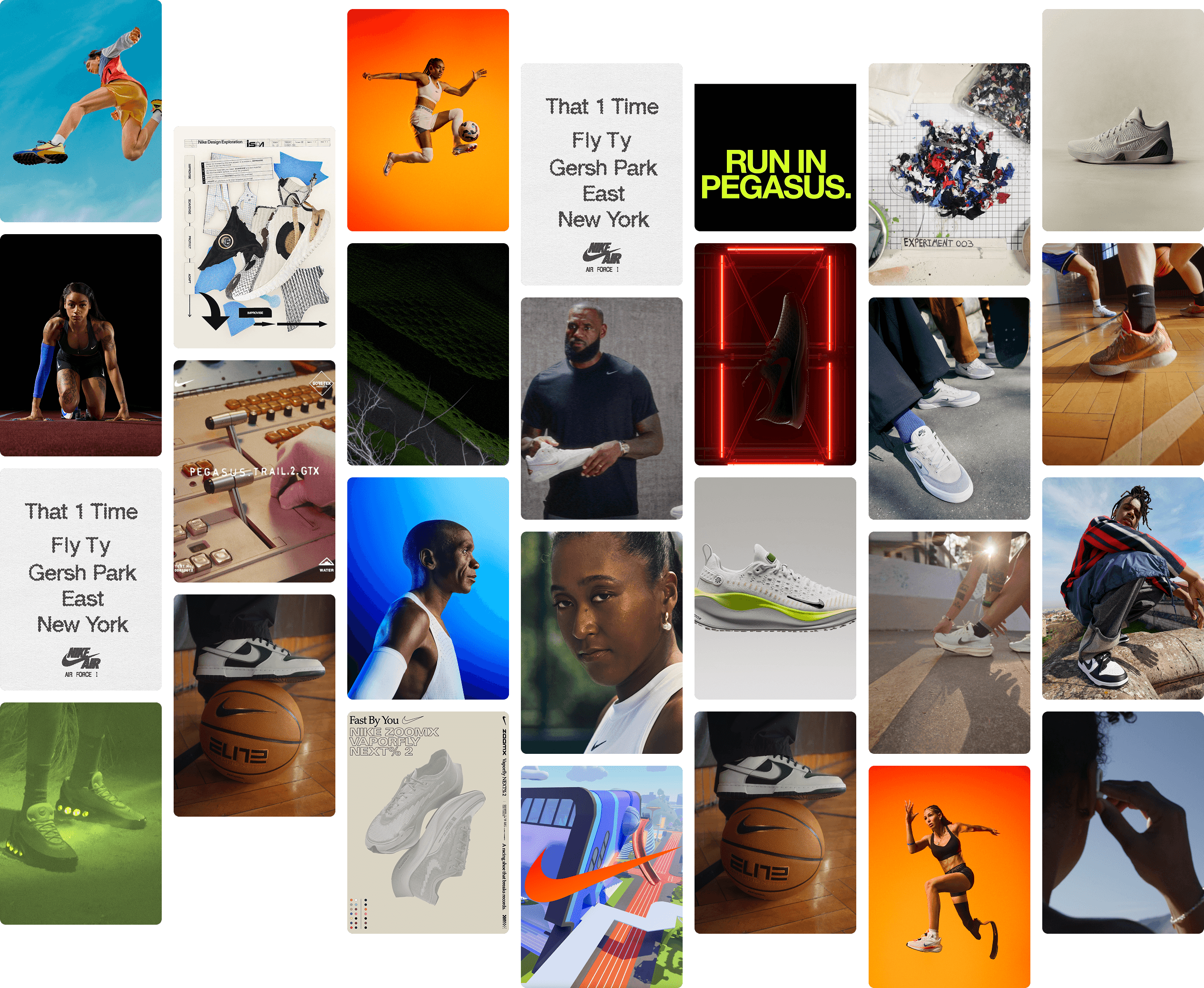
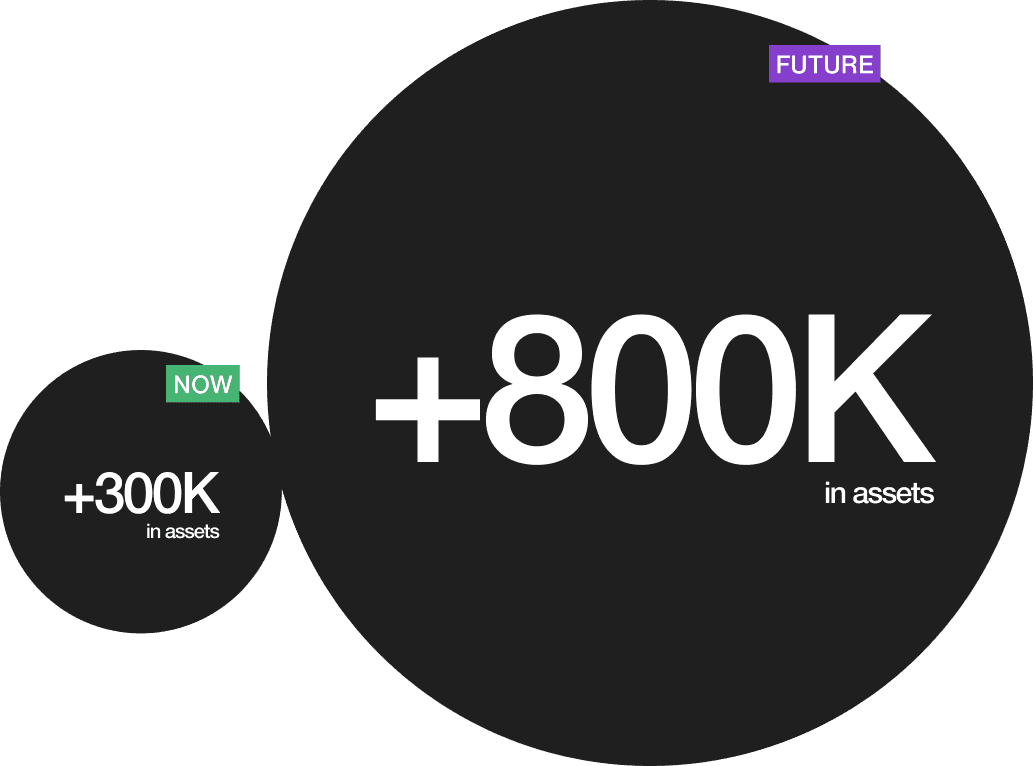
Bringing stories of the athlete to life - from campaigns to channels - require over 300K of visual assets per yr, particularly in imagery.

Bringing stories of the athlete to life - from campaigns to channels - require over 300K of visual assets per yr, particularly in imagery.

Nike’s Branding Imaging teams rely on their internal tool - Icon - to manage the production and processes of the images shot in their studios.

Nike’s Branding Imaging teams rely on their internal tool - Icon - to manage the production and processes of the images shot in their studios.

Nike’s Branding Imaging teams rely on their internal tool - Icon - to manage the production and processes of the images shot in their studios.

However, Icon is not optimized for nor set up to adapt to the changing needs in creative production.

However, Icon is not optimized for nor set up to adapt to the changing needs in creative production.

However, Icon is not optimized for nor set up to adapt to the changing needs in creative production.

THE CHALLENGE

Icon is essential to the creative production workflow. The front end framework (Angular) that Icon was built upon is no longer supported and Icon is not set up to meet the growing number of asset demands in the future, leading to a risk in Global Brand Imaging Operations. We want to deprecate angular and migrate to React (newly supported framework).
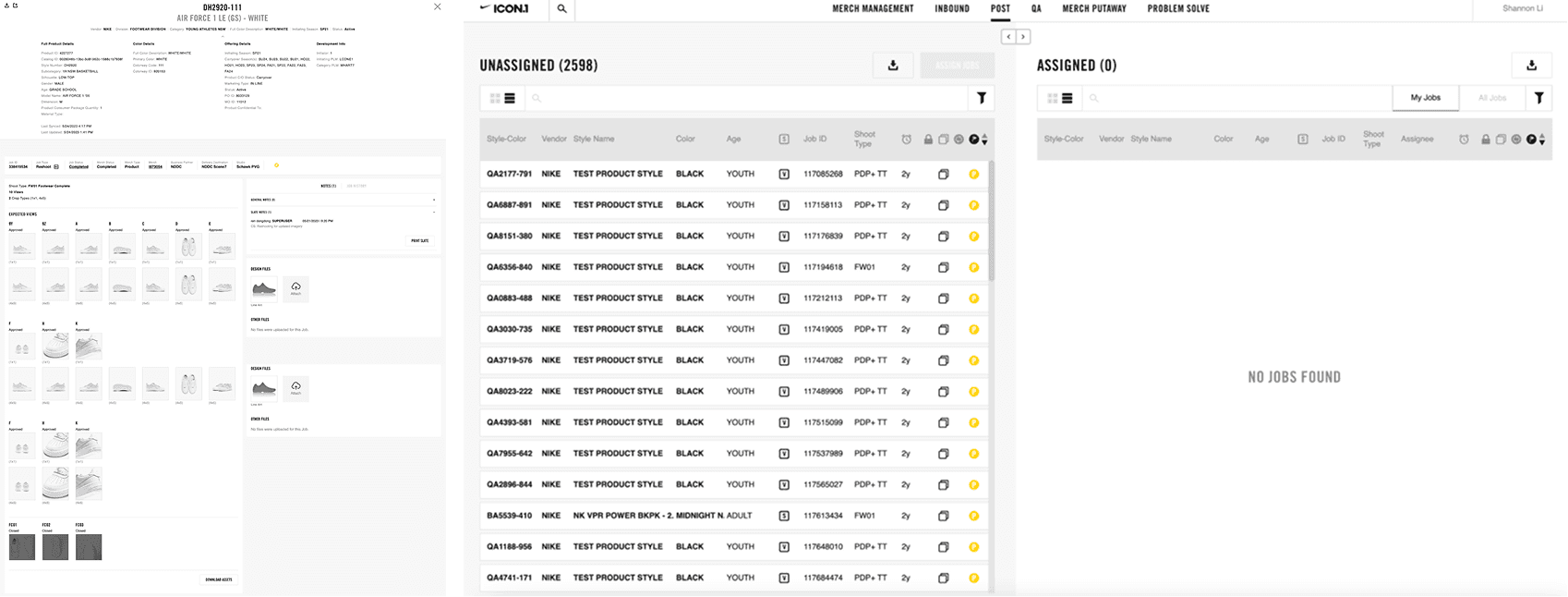
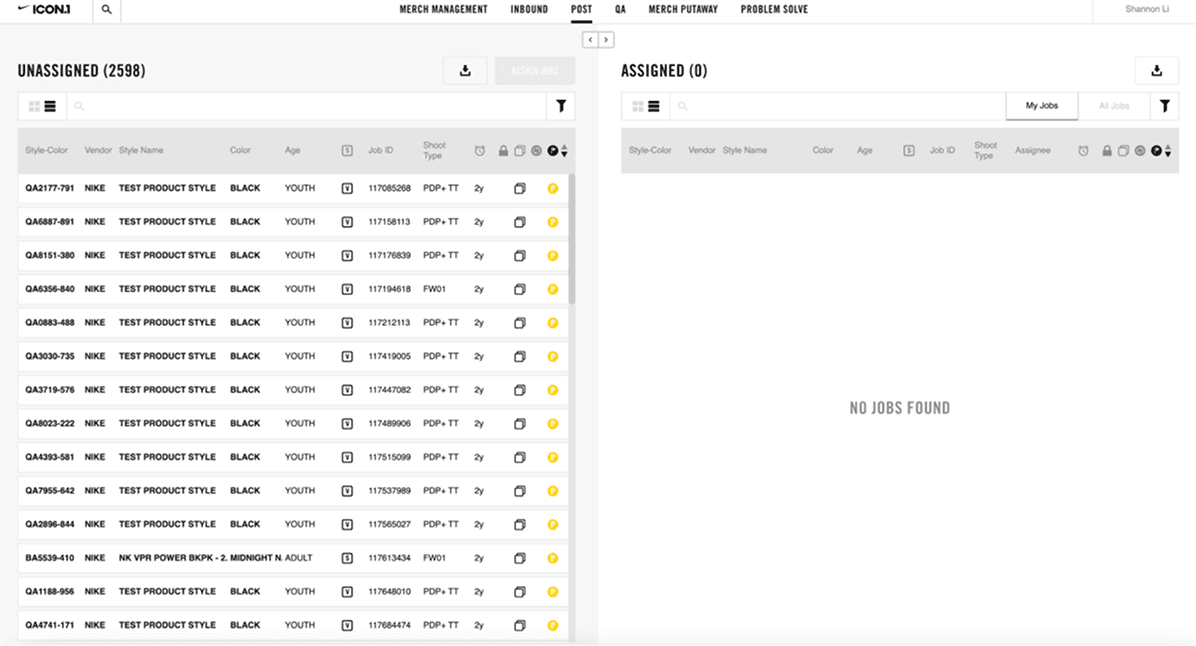
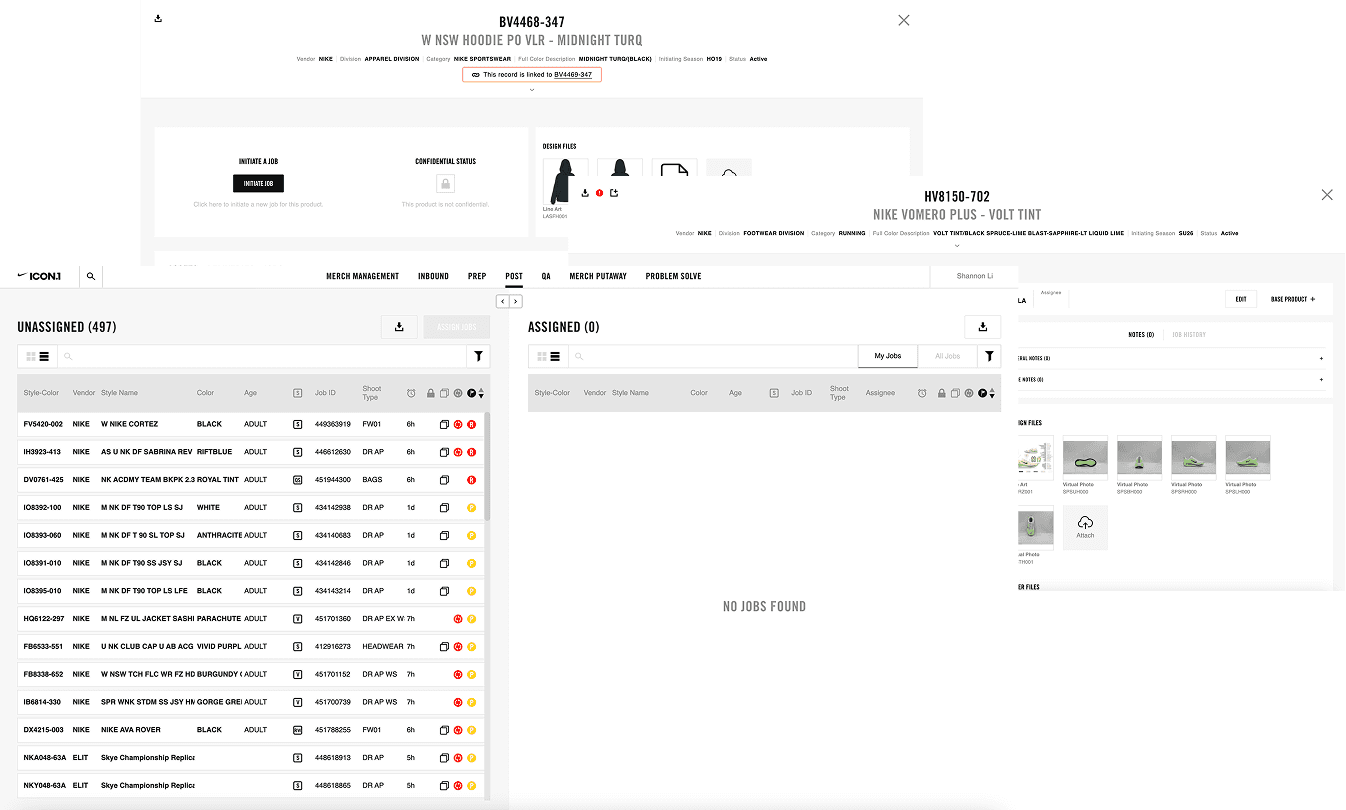
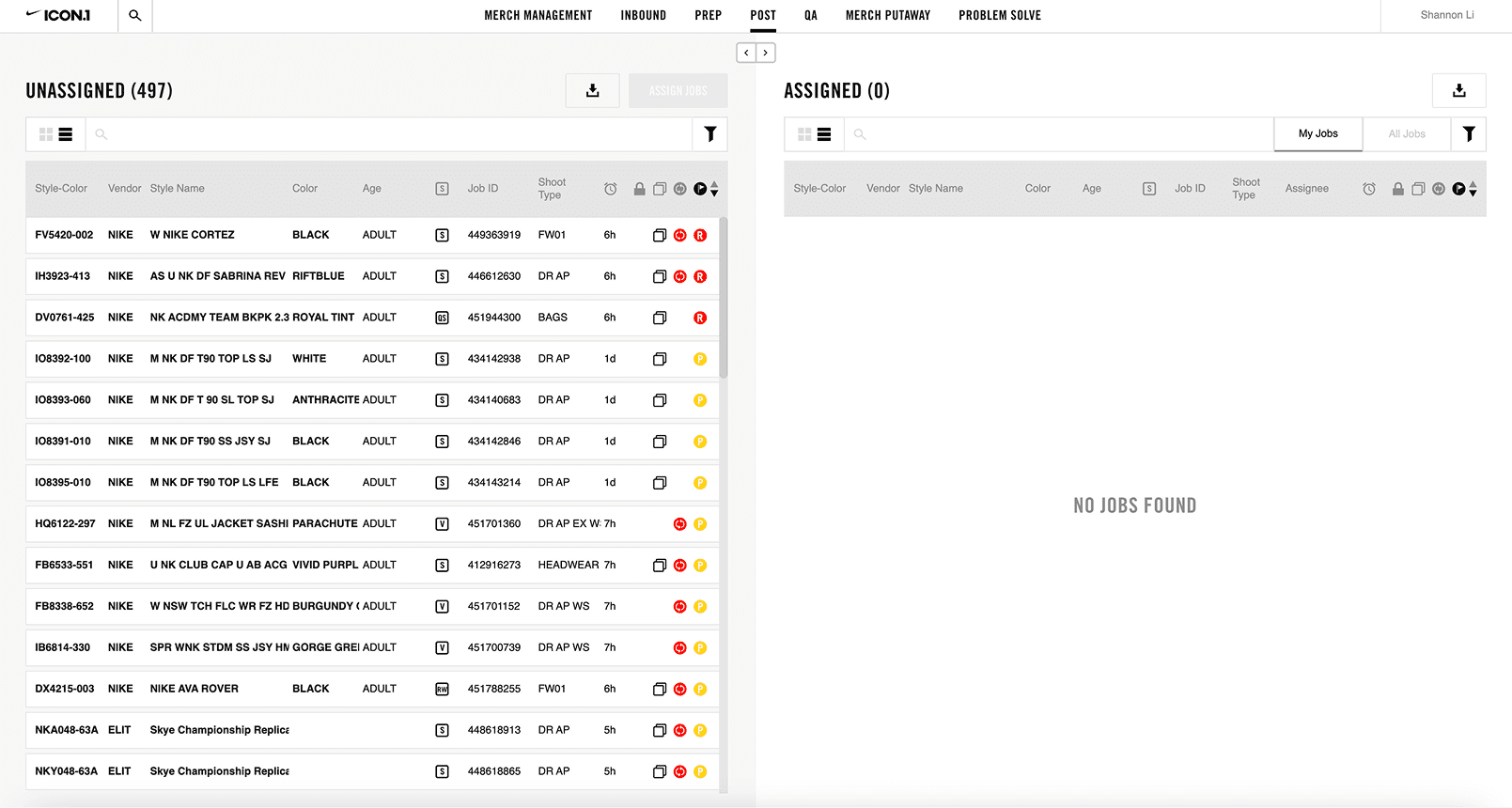
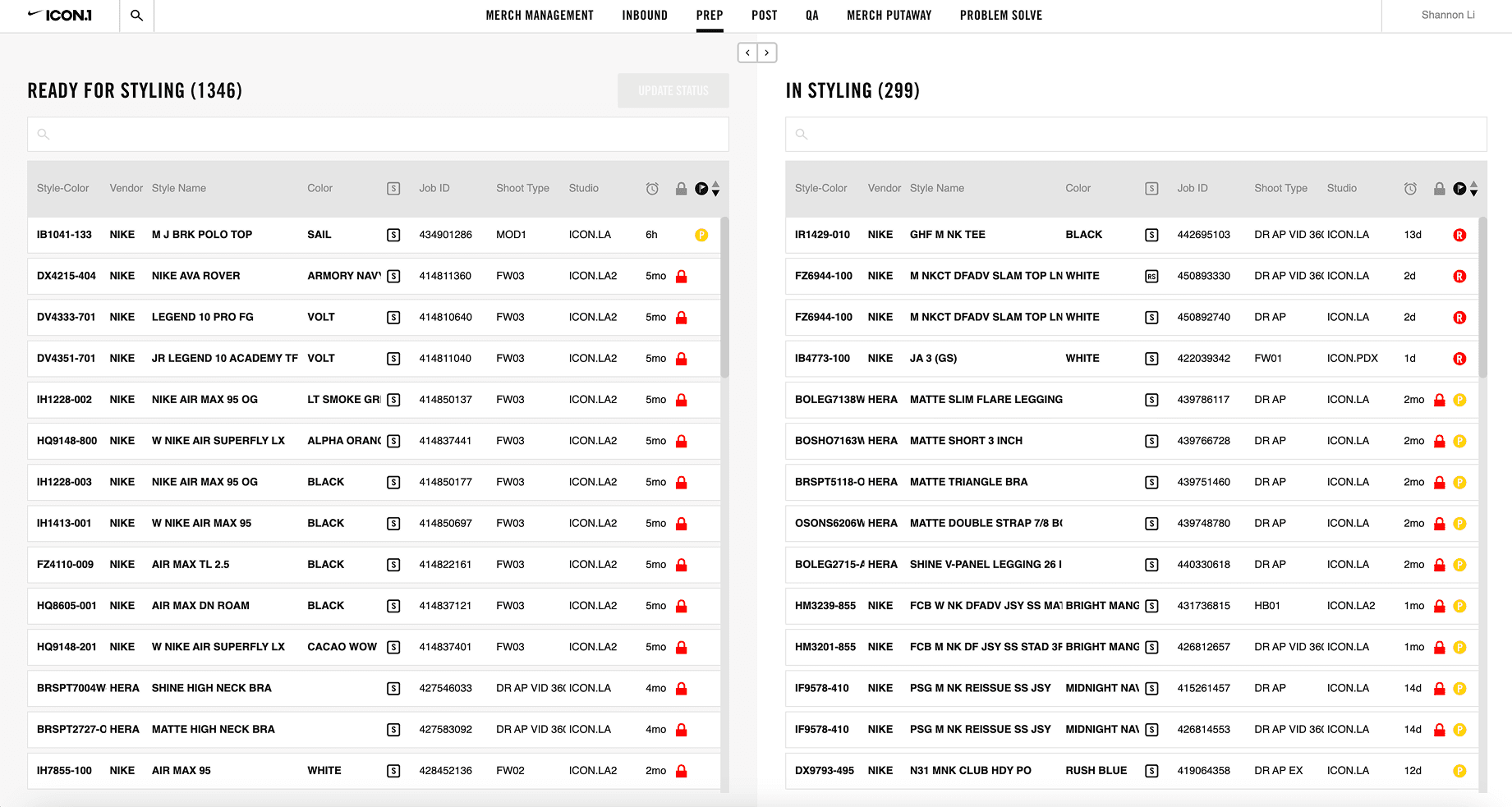
Previous state of Icon that imaging teams use to go from checking in products received in studios to shooting, editing, and delivery of images. Very information heavy, poor information architecture, and lacking in visual design.

Previous state of Icon that imaging teams use to go from checking in products received in studios to shooting, editing, and delivery of images. Very information heavy, poor information architecture, and lacking in visual design.

HIGH LEVEL GOAL

Move Icon to our new framework that minimizes disruption of imaging teams through transition while identifying ways to improve its UX and position the platform for future enhancements.

Move Icon to our new framework that minimizes disruption of imaging teams through transition while identifying ways to improve its UX and position the platform for future enhancements.

In this case, supporting more number and types of assets
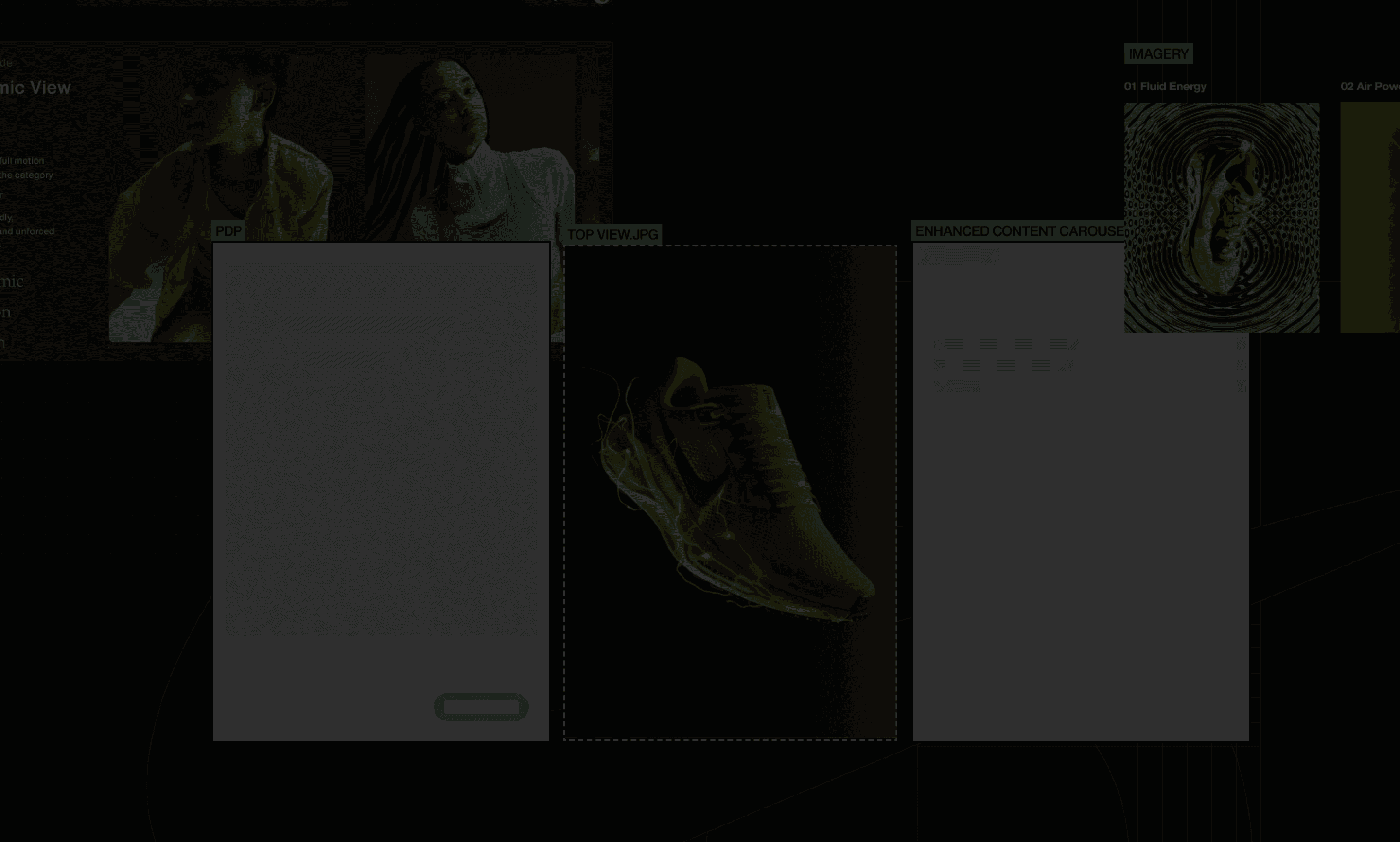
THE STRATEGY
LOW RISK


LOW RISK


HIGH IMPACT

HIGH IMPACT

SCALABLE

SCALABLE

INTRODUCING

ICON .1

ICON .1

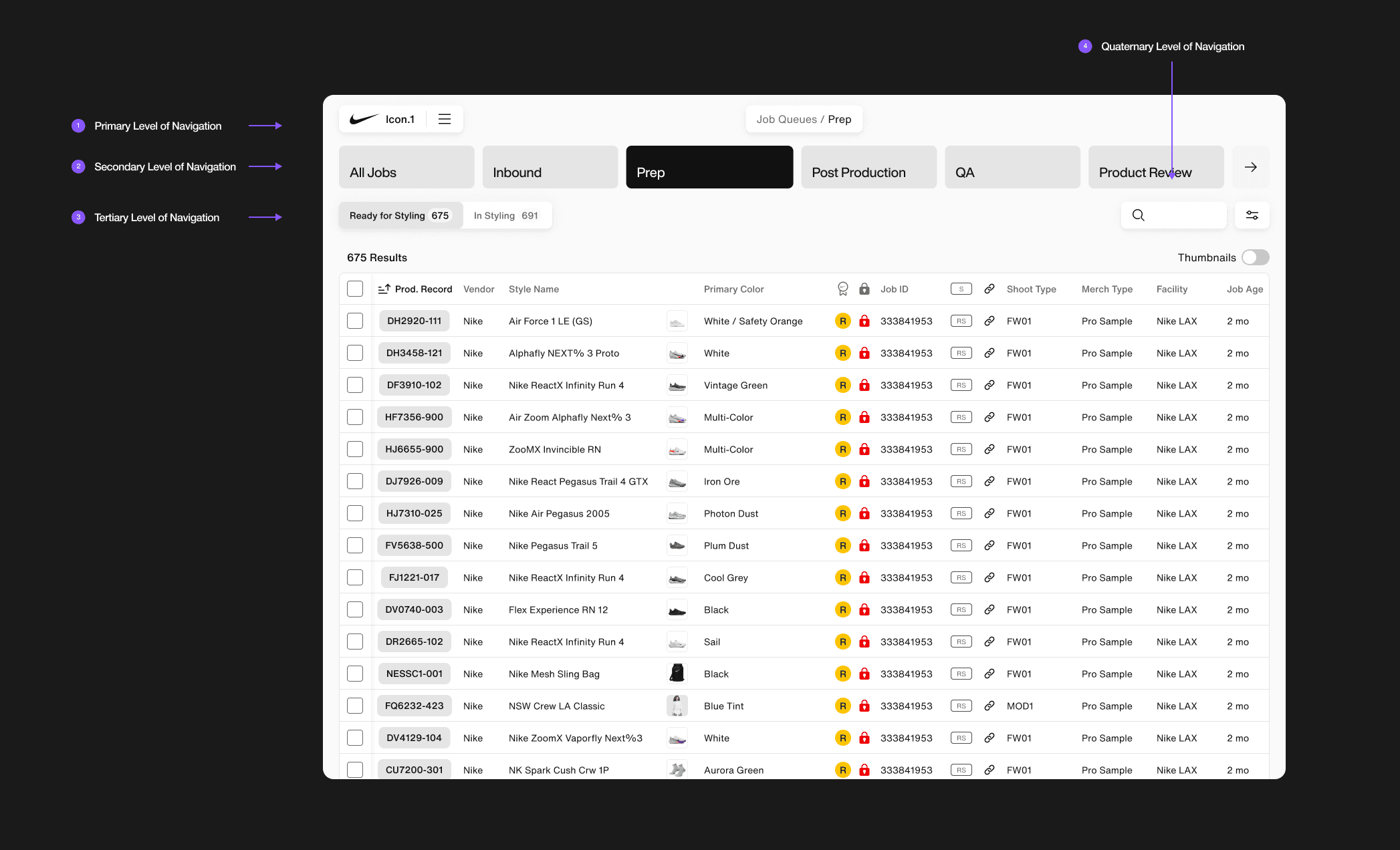
An enhanced, streamlined creative production tool that helps Global Brand Imaging team produces thousands of visual assets from checking in products in studios to shoots, image edits & review, and finally, delivery. It has the foundations to grow further in the future.

INTRODUCING

ICON .1

An enhanced, streamlined creative production tool that helps Global Brand Imaging team produces thousands of visual assets from checking in products in studios to shoots, image edits & review, and finally, delivery. It has the foundations to grow further in the future.

Guide Users in Finding the Jobs they need with a Robust Table View and a Multi-Level Navigation Pattern

Guide Users in Finding the Jobs they need with a Robust Table View and a Multi-Level Navigation Pattern

Imaging teams will need tp search for jobs depending on different factors (e.g. teams, assignment, season, etc.). Enabling a navigational pattern that allows users to tailor and specify their search needs will quicken the process.

Imaging teams will need tp search for jobs depending on different factors (e.g. teams, assignment, season, etc.). Enabling a navigational pattern that allows users to tailor and specify their search needs will quicken the process.

Bulk Commit Actions on Jobs to Streamline Than One by One to Reduce Manual, Time Intensive Labor

Bulk Commit Actions on Jobs to Streamline Than One by One to Reduce Manual, Time Intensive Labor

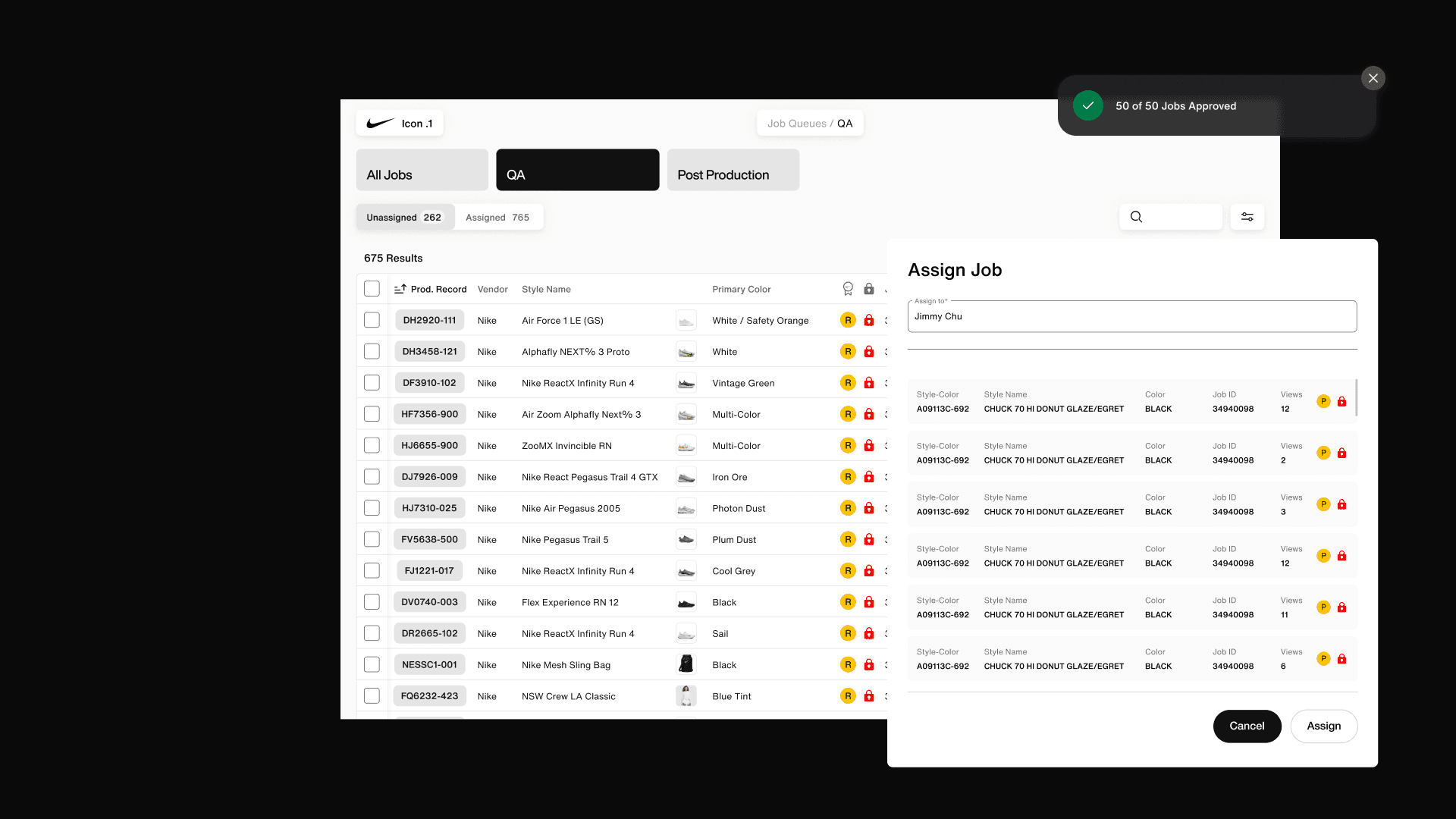
Previously, teams would need to individually commit actions on jobs (e.g. assign/unassign job, update status) and bulk action takes a long time to do. Allowing users to bulk commit in groups leveraging the filters used above eliminates the tedious work, moving jobs forward to the next stage quicker.

Previously, teams would need to individually commit actions on jobs (e.g. assign/unassign job, update status) and bulk action takes a long time to do. Allowing users to bulk commit in groups leveraging the filters used above eliminates the tedious work, moving jobs forward to the next stage quicker.

Reduce Duplicative, Cut & Paste Activities by Bringing Internal Edit workflow in

Reduce Duplicative, Cut & Paste Activities by Bringing Internal Edit workflow in

Allowing internal edit stop into the workflow will remove additional work to redo jobs and bring these previously external process into Icon for less reporting & tracking.

Allowing internal edit stop into the workflow will remove additional work to redo jobs and bring these previously external process into Icon for less reporting & tracking.

RESEARCH

There were our primary user groups that are involved in the creative production process as defined by product and our stakeholders that we collaborated with throughout the entire design process.
Research insights via auditing, surveys, and interviews with the ultimate goal to understand -

what is impacting imaging team’s workflow to get images produced from start to end, particularly challenges? AND why is it not scalable?

The goal of our auditing was to understand:
What is their workflow like to get images produced from start to end?

What is their workflow like to get images produced from start to end?

What is their workflow like to get images produced from start to end?

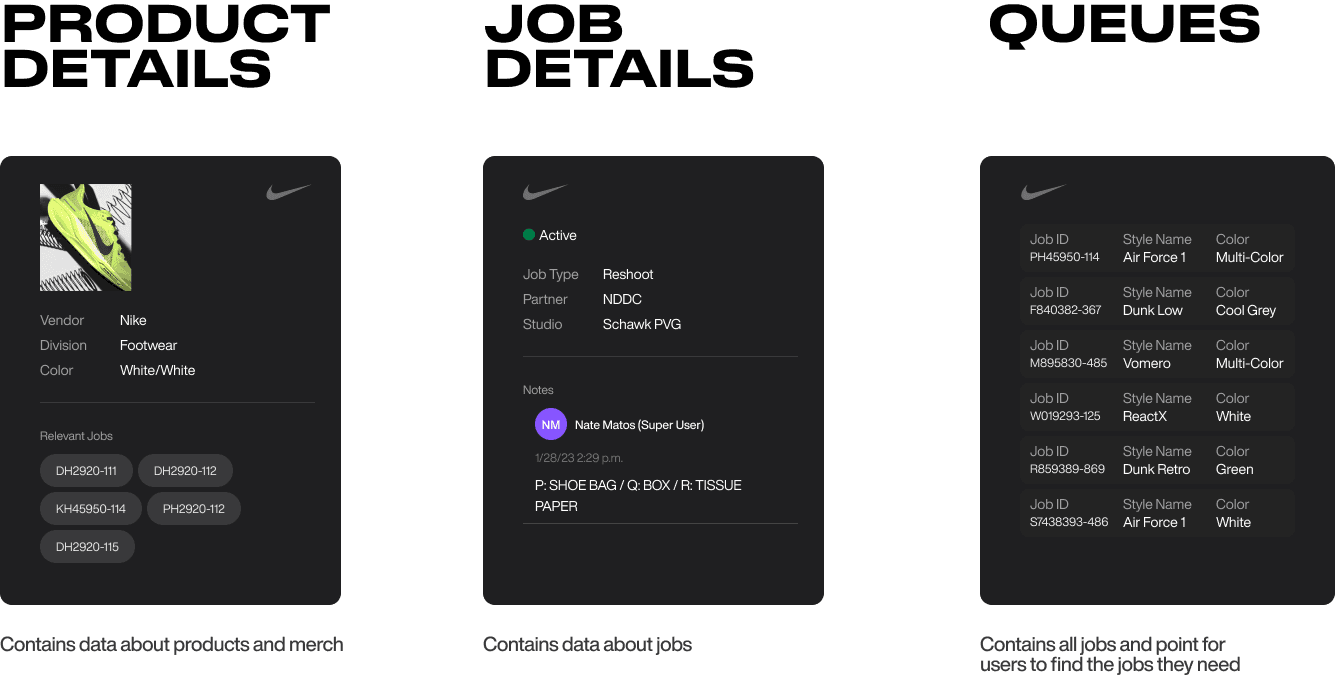
We analyzed across the entire ecosystem to understand ICON's functionality and features

From the auditing, we have decided to tackle ICON in 3 parts:
During our interviews with creative production users across the design process, we dove deep into understanding the following:

  1. What is their workflow like to get images produced from start to end, in more detail?

  1. What is their workflow like to get images produced from start to end, in more detail?

  1. What is their workflow like to get images produced from start to end, in more detail?

  1. How do they interact with ICON to complete their jobs?

  1. How do they interact with ICON to complete their jobs?

  1. How do they interact with ICON to complete their jobs?

  1. What are their challenges in completing their jobs?

  1. What are their challenges in completing their jobs?

  1. What are their challenges in completing their jobs?

INSIGHTS

Here's what we found -

Here's what we found -

Imaging teams have the critical capabilities needed for successful production completion with Icon, but can not be efficient in doing it quickly and easily.

Imaging teams have the critical capabilities needed for successful production completion with Icon, but can not be efficient in doing it quickly and easily.

Imaging teams have the critical capabilities needed for successful production completion with Icon, but can not be efficient in doing it quickly and easily.

INSIGHT #1

INSIGHT #1

Teams have to do a lot of manual labor, with no efficient way to complete tasks in bulk efficiently.

Teams have to do a lot of manual labor, with no efficient way to complete tasks in bulk efficiently.

Teams have to do a lot of manual labor, with no efficient way to complete tasks in bulk efficiently.

INSIGHT #2

INSIGHT #2

Teams spend a ton of wasted time trying to find what they need.

Teams spend a ton of wasted time trying to find what they need.

Teams spend a ton of wasted time trying to find what they need.

INSIGHT #3

INSIGHT #3

Internal Edit jobs are done outside of ICON. This has led to fragmented systems, duplicative processes, reporting, and tracking. They want to include an internal edit jobs into ICON within our short migration timeline.

Internal Edit jobs are done outside of ICON. This has led to fragmented systems, duplicative processes, reporting, and tracking. They want to include an internal edit jobs into ICON within our short migration timeline.

Internal Edit jobs are done outside of ICON. This has led to fragmented systems, duplicative processes, reporting, and tracking. They want to include an internal edit jobs into ICON within our short migration timeline.

PIVOTAL DESIGN EXPLORATIONS

PIVOT 1

Teams have to do a lot of manual labor, with no efficient way to complete tasks in bulk efficiently.

How might we make their work less labor intensive?

How might we make their work less labor intensive?

Original Design
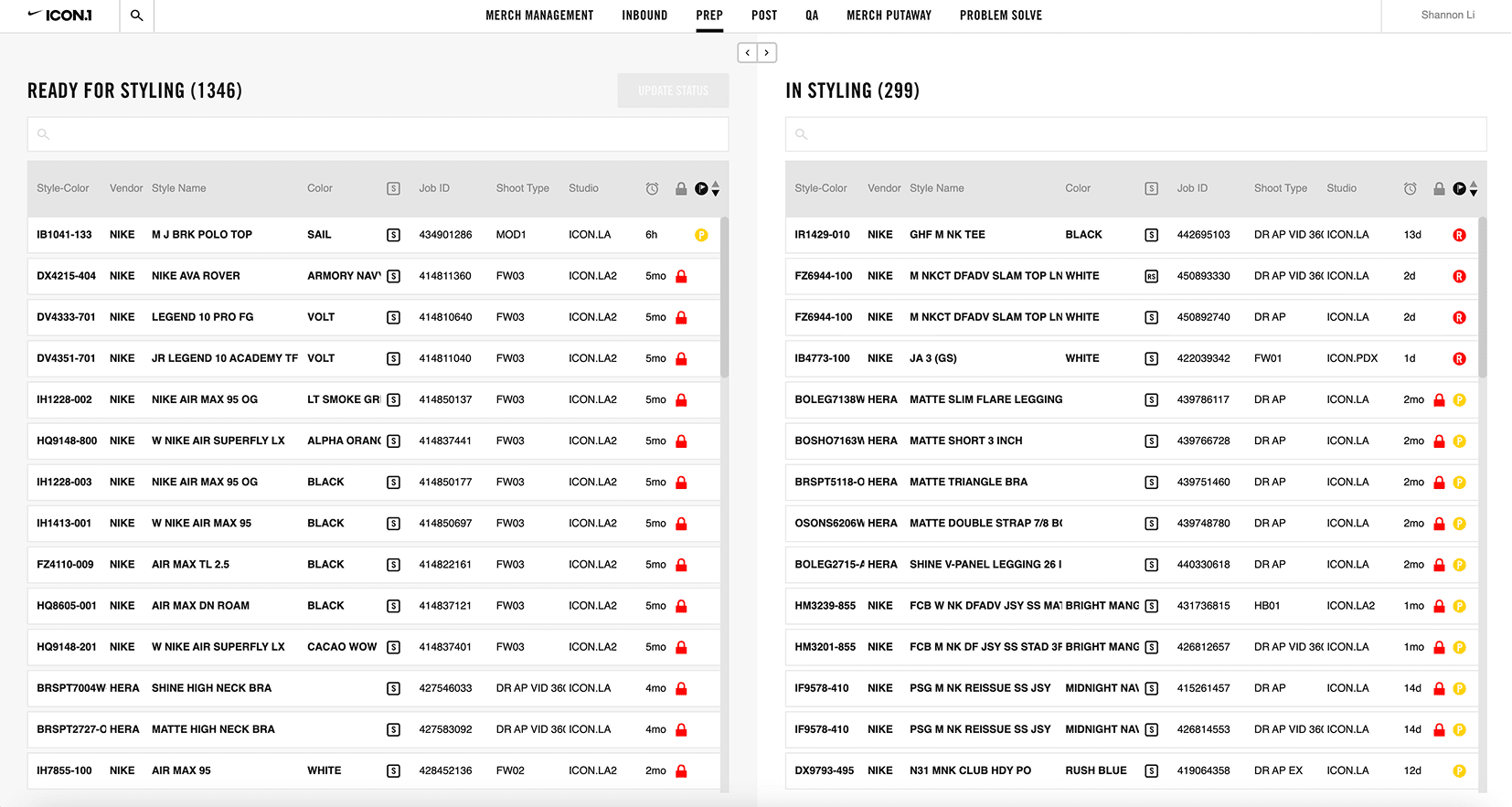
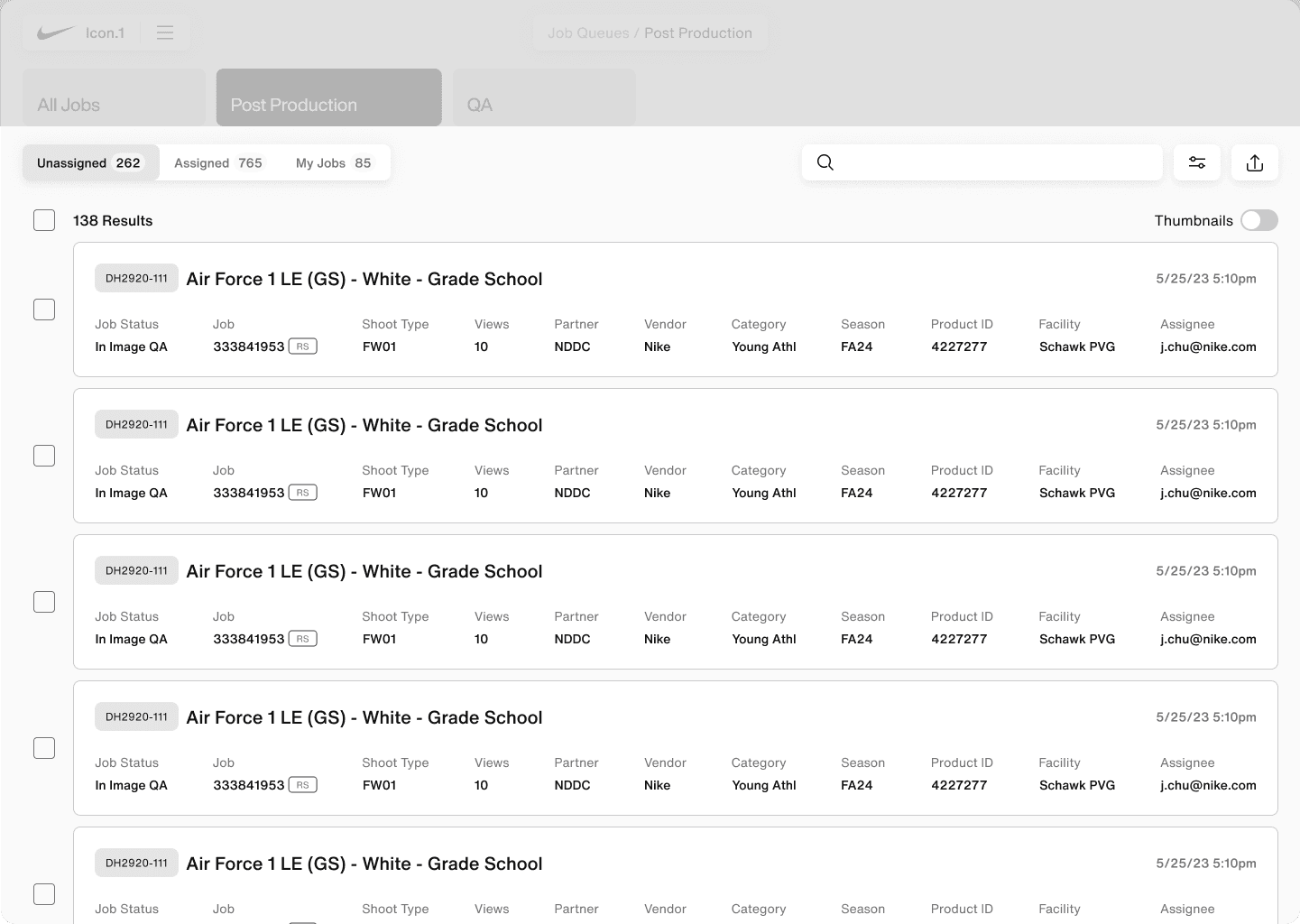
Despite the cleaner and more breathable layout of the job card list, users mentioned that they rather see more jobs at once, proving our assumption wrong.

Despite the cleaner and more breathable layout of the job card list, users mentioned that they rather see more jobs at once, proving our assumption wrong.

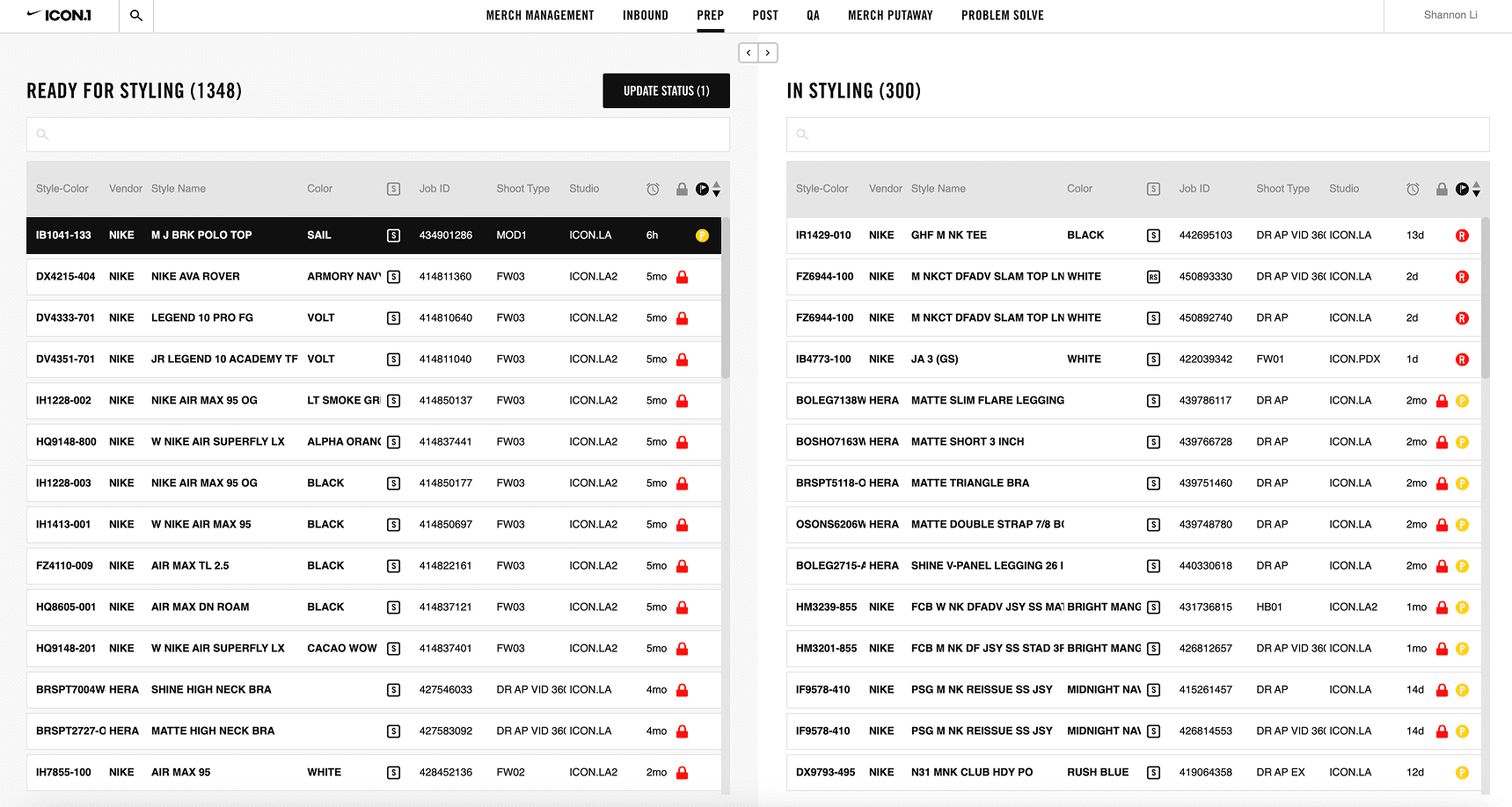
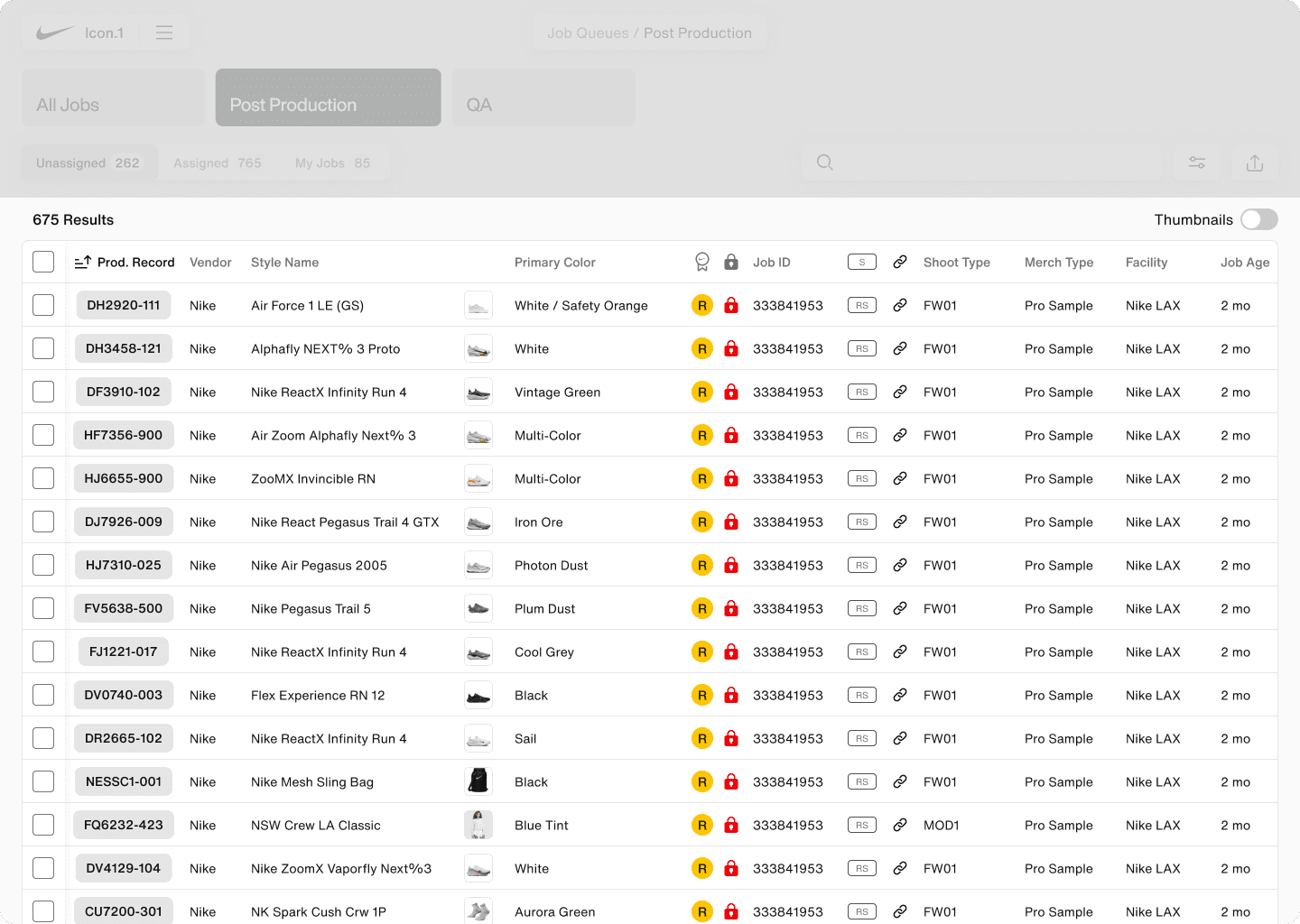
Users can be more informed and know which jobs are relevant. There is also no need to scroll to do bulk action.

Users can be more informed and know which jobs are relevant. There is also no need to scroll to do bulk action.

PIVOT 2

Teams spend a ton of wasted time trying to find what they need.

How might we speed their working progress?

How might we speed their working progress?

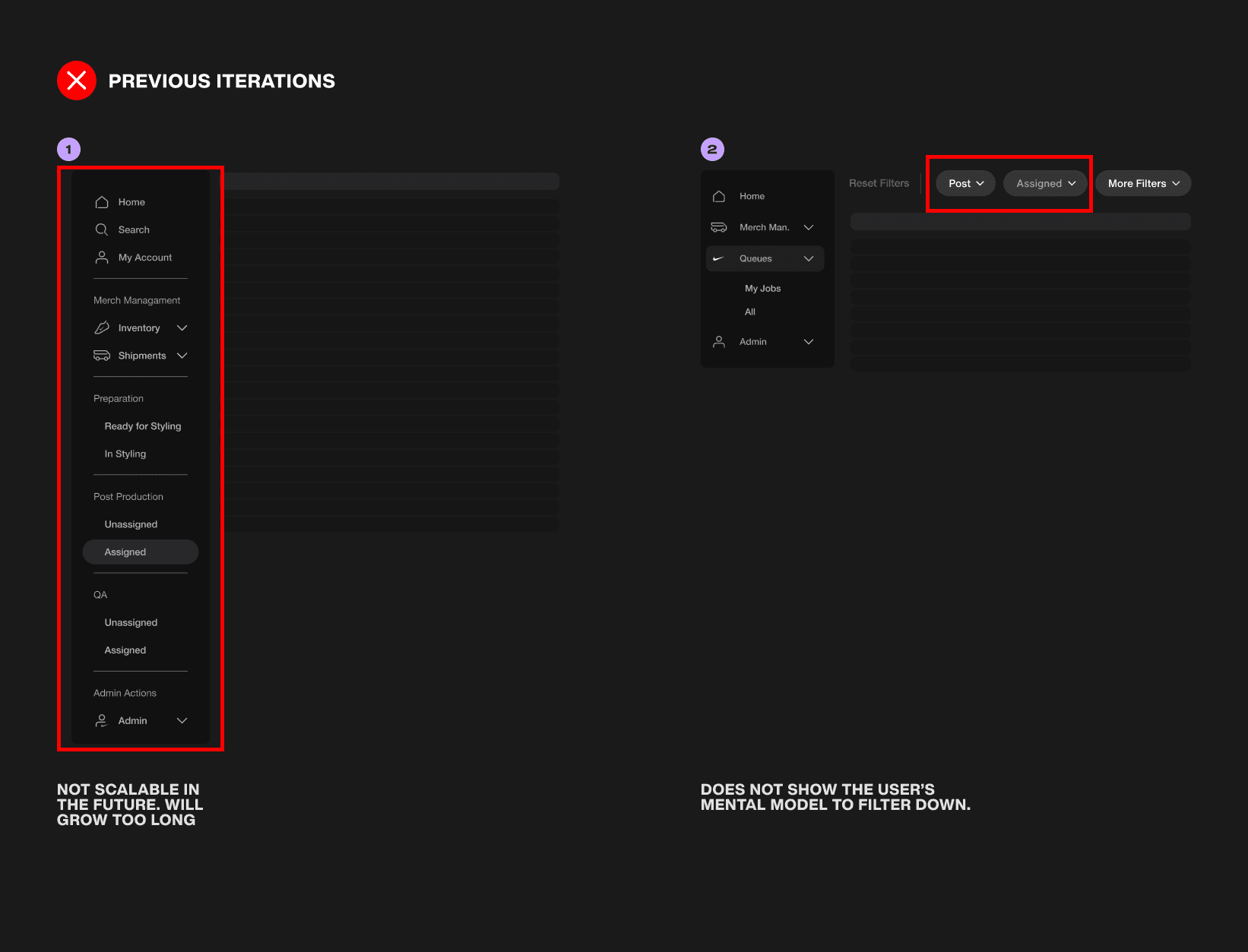
Original Navigation Design
This navigation hierarchy best represents the mental model of imaging team's search and filtering process to find the jobs they need quickly. First, they gain access to the right queue based on the team they are on (and permissioning) and then look for the status of a job followed by searching for specific details related to a job after.

PIVOT 2

Internal Edit jobs are done outside of ICON. This has led to fragmented systems, duplicative processes, reporting, and tracking. They want to include an internal edit jobs into ICON within our short migration timeline.

How might we bring internal edit as a temporary fix at the moment?

How might we bring internal edit as a temporary fix at the moment?

Original Navigation Design
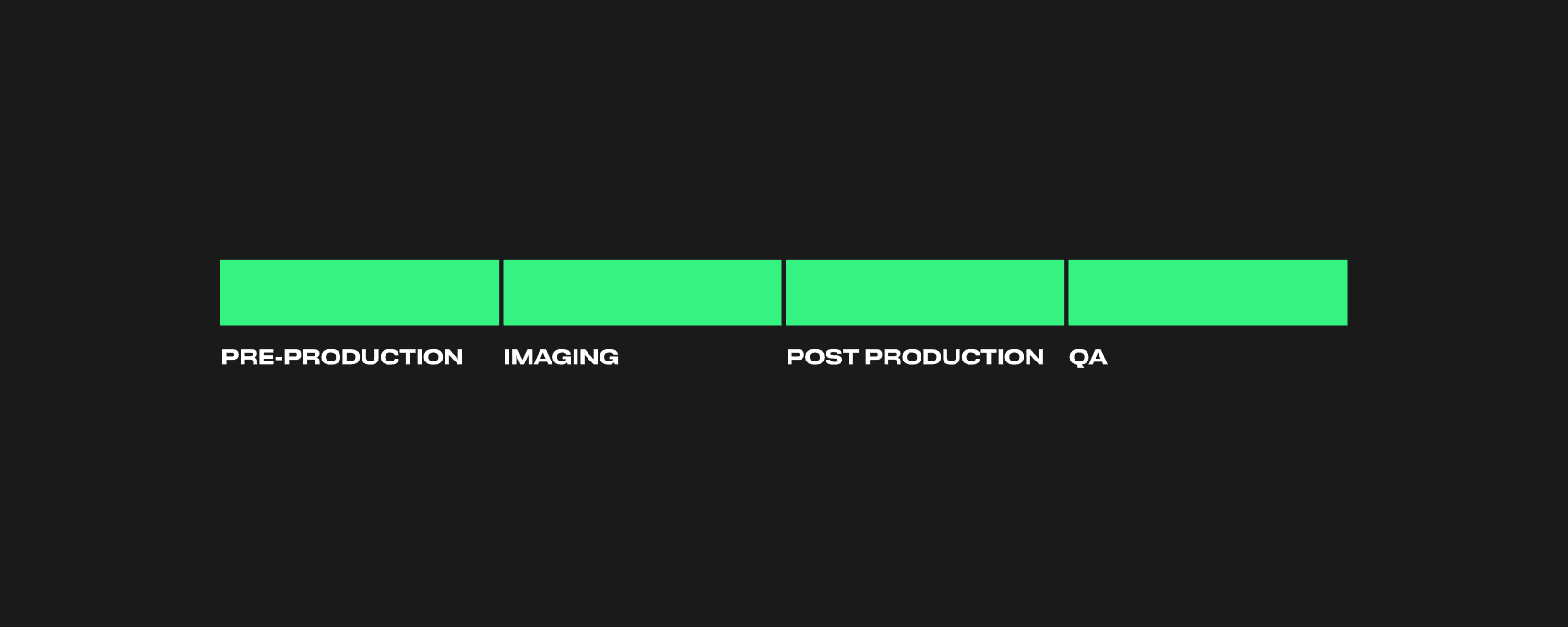
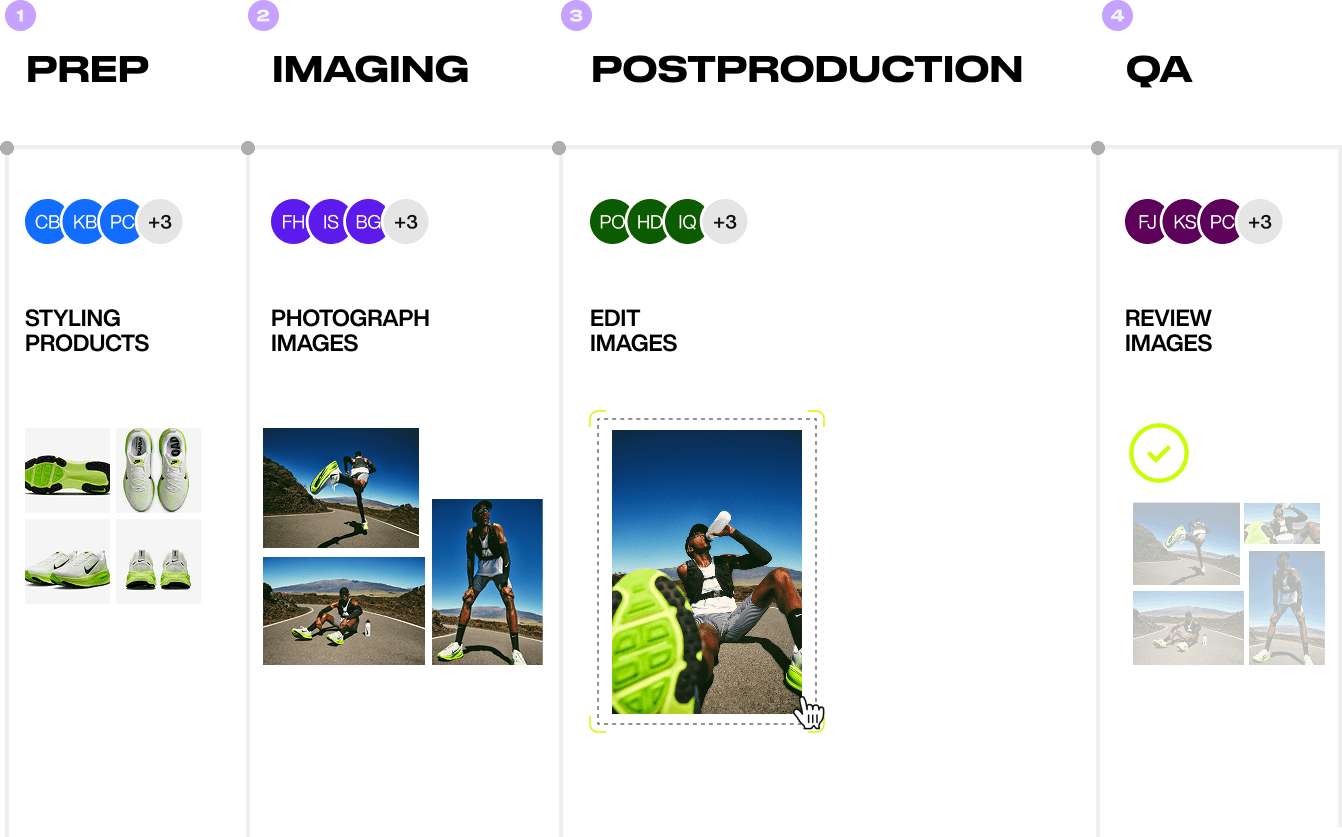
This the current creative production flow for ICON.
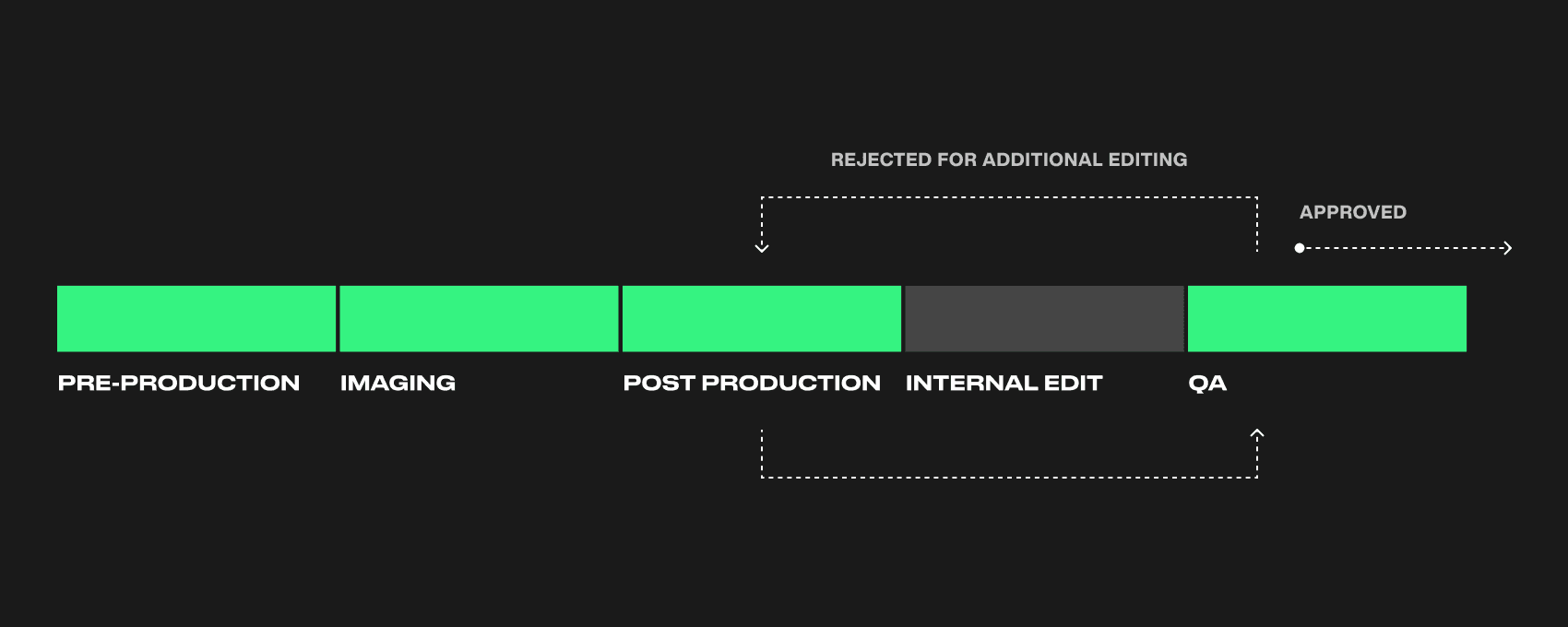
Our imaging teams mentioned that they want to bring in internal edit workflow step (which are steps after external edits for reviewing images to make sure they meet quality standards). They prioritized this integration as critical and want it brought into the MVP stages of the rewrite project. Based on the insights, we mapped where in the flow internal edit would fit into the processs in order to help shape how it will be visualized in their journey.
ICON .1

ICON .1

An enhanced, streamlined creative production tool that helps Global Brand Imaging team produces thousands of visual assets from checking in products in studios to shoots, image edits & review, and finally, delivery. It has the foundations to grow further in the future.

An enhanced, streamlined creative production tool that helps Global Brand Imaging team produces thousands of visual assets from checking in products in studios to shoots, image edits & review, and finally, delivery. It has the foundations to grow further in the future.

ICON .1

An enhanced, streamlined creative production tool that helps Global Brand Imaging team produces thousands of visual assets from checking in products in studios to shoots, image edits & review, and finally, delivery. It has the foundations to grow further in the future.

ICON .1

An enhanced, streamlined creative production tool that helps Global Brand Imaging team produces thousands of visual assets from checking in products in studios to shoots, image edits & review, and finally, delivery. It has the foundations to grow further in the future.

We’ve conducted a user acceptance test for each MVP feature to ensure all necessary features function and do not have bugs. 


However, if I had more time to test further, I would assess primarily:
EVALUATION

Increased number of jobs completed, measured against a certain timeframe. Aka - less time taken to complete their jobs.

Increased number of jobs completed, measured against a certain timeframe. Aka - less time taken to complete their jobs.

WINS

We’ve conducted a user acceptance test for each MVP feature to ensure all necessary features function and do not have bugs. 


However, if I had more time to test further, I would assess primarily:
  • Full migration to new ICON platform in March 2026 with low production issues

  • Full migration to new ICON platform in March 2026 with low production issues

  • Product partners and engineering leadership found Rewrite to have a strong skeleton and foundation to flex for future workstreams particularly flexible workflow & videos.

  • Product partners and engineering leadership found Rewrite to have a strong skeleton and foundation to flex for future workstreams particularly flexible workflow & videos.

  • Standardized Icon experience with components from Podium design system when it originally did not have

  • Standardized Icon experience with components from Podium design system when it originally did not have

  • Bringing internal edit into Icon greatly simplifies the production process and reduce cut-and-paste activities, duplicative processes, reporting, and tracking. It is expected to save 16,867 labor hours over the next 2 years as Digital Retail production.

  • Bringing internal edit into Icon greatly simplifies the production process and reduce cut-and-paste activities, duplicative processes, reporting, and tracking. It is expected to save 16,867 labor hours over the next 2 years as Digital Retail production.

REFLECTIONS

Think about the entire eco-system (systems thinking)

Think about the entire eco-system (systems thinking)

It's important to design both in small details, thinking of the pixels AND also in the broader, larger ecosystem and think about the future implications of the designs. I have to constantly think - can this component flex to multiple products in the future? what if we have more actions enabled on the table action bar? how will ICON support video in the future?

Microinteractions matter

Microinteractions matter

At Nike, obsessing over craft was echoed everyday on our team. In all of my design work and components, sweating out the tiny details mattered. We thought about how users would interact with UI components and the importance of microinteractions in shaping their experience - what should the loading state be? where should users go to next? should there be a toast notification? how much space do we allocate? does it help communicate the relationship as we intend to?

Win as a Team

Win as a Team

To top it off, winning as a team has always been the center of my process. This applies to not just design but the entire organization - product and engineering as well. This has enabled me to become much better at conflict resolution and managing trade off conversations.

View Other Projects

View Other Projects